
Improving World Heritage management in Malawi
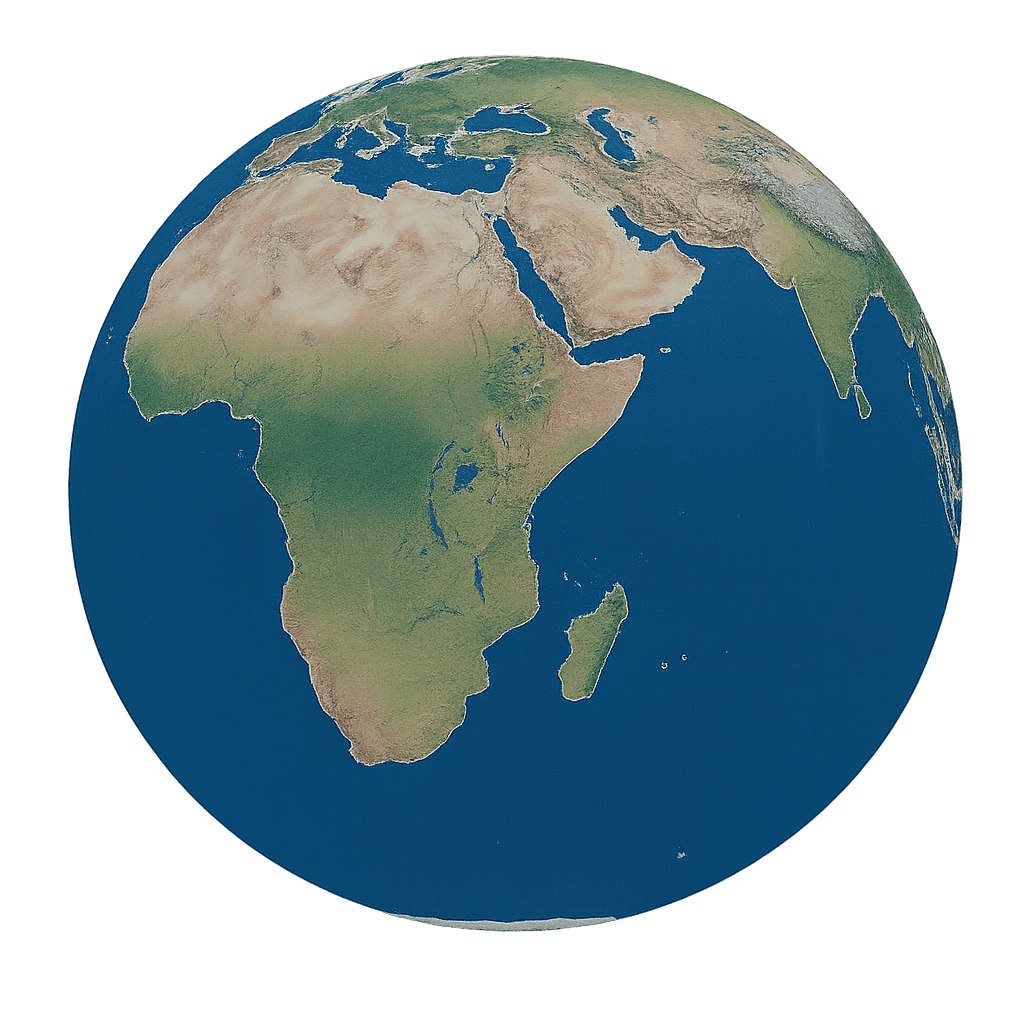
In response to the growing need to strengthen management systems for World Heritage properties in Africa, a capacity-building training was organised at Lake Malawi National Park in Malawi. The initiative is part of UNESCO’s broader efforts to support African States Parties in strengthening the protection and sustainable management of their properties through evidence-based and adaptive approaches.
Inscribed on the World Heritage List in 1984, the Lake Malawi National Park is renowned for its exceptional freshwater biodiversity, particularly its remarkable diversity of cichlid fish – many of which are found nowhere else on Earth. The property also supports local communities that depend on the lake’s natural resources for their livelihoods, making effective and inclusive management essential.
Organized by the UNESCO World Heritage Centre in collaboration with the State Party of Malawi, ICCROM and IUCN, the capacity-building training is being implemented under UNESCO’s Global Priority Africa initiative, with support from the Governments of Norway and the Netherlands from February to May 2026, it combines online sessions with an in-person workshop held from 20 to 24 April in Mangochi, Malawi.
© UNESCO / Esnath Mwaka
“This programme aims to strengthen management effectiveness at the World Heritage property by equipping stakeholders with practical skills to assess conservation challenges, respond to climate change pressures, and support evidence-based decision-making for the protection of the site’s Outstanding Universal Value”
Oris Malijani, Department of Museums and Monuments, Malawi.
More than 30 participants from government agencies, non-governmental organizations, academic institutions, civil society, and local communities took part in the training, ensuring a broad, multi-stakeholder perspective. The Department of National Parks and Wildlife, the Department of Museums and Monuments, and the Department of Fisheries co-organized and actively participated in the training. During the in-person workshop, participants began assessing Park’s management system using the Enhancing Our Heritage Toolkit 2.0 (EOH 2.0).
This enabled Park and government authorities to evaluate key aspects of site management, including how well heritage values are protected, factors affecting the property, governance arrangements, and planning, implementation, and monitoring processes. The workshop focused on identifying existing gaps, challenges and opportunities to set management priorities, and develop concrete follow-up actions.
© UNESCO / Esnath Mwaka
These practical sessions, together with the outcomes of the UNESCO/Norway-supported community-based fish conservation initiatives undertaken within the Park, are expected to directly inform the updated management plan of Lake Malawi National Park.
Further training programme sessions in May will complete the management effectiveness assessment and will focus on strengthening local capacities to integrate climate change considerations into the property’s management.
UNESCO thanks the Governments of Norway and the Netherlands for their support in strengthening the protection of World Heritage sites in Africa.
Legal Disclaimer:
EIN Presswire provides this news content "as is" without warranty of any kind. We do not accept any responsibility or liability for the accuracy, content, images, videos, licenses, completeness, legality, or reliability of the information contained in this article. If you have any complaints or copyright issues related to this article, kindly contact the author above.
